
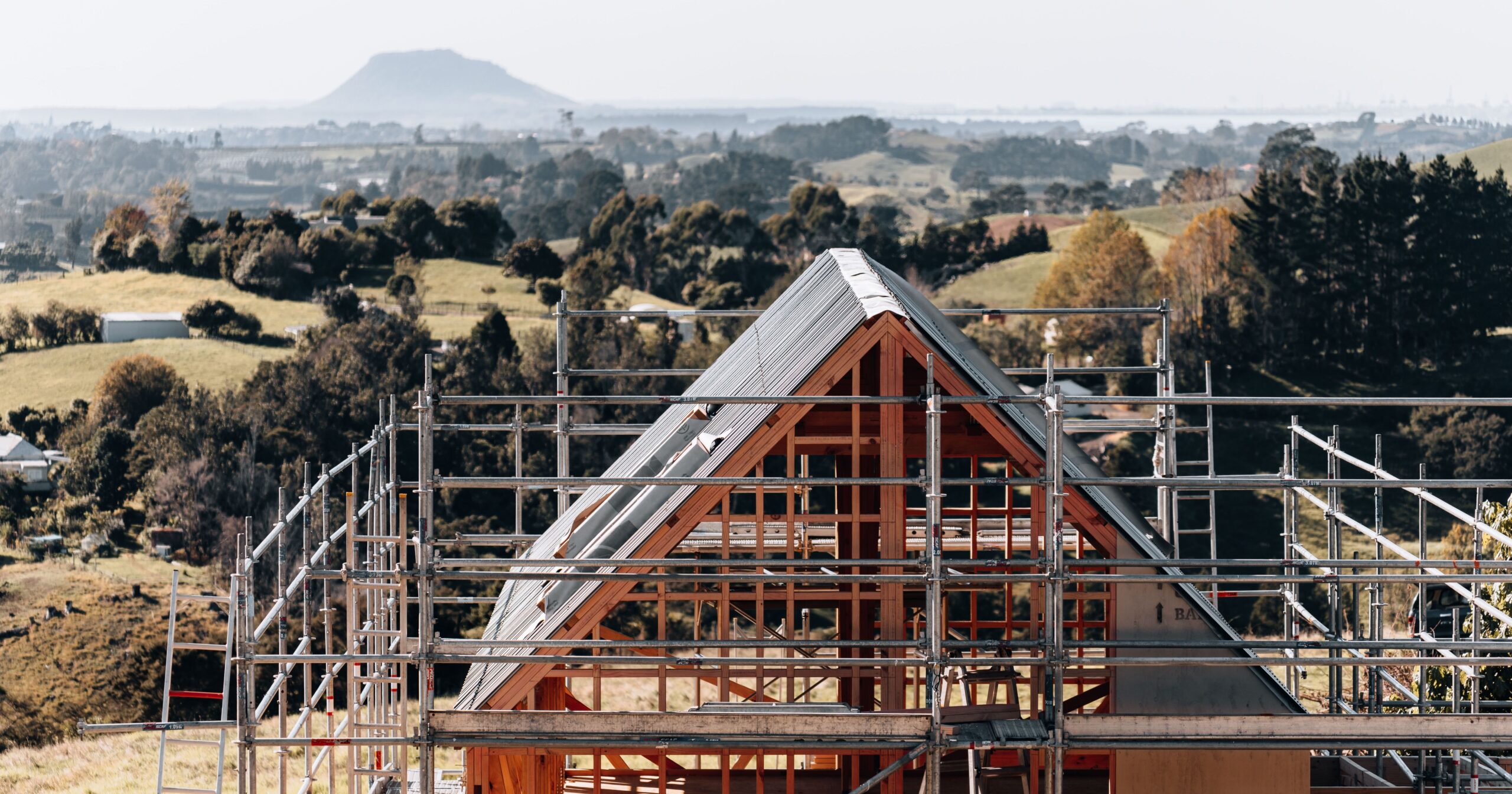
Builders, roofers and architects have been working collectively at improving roof ventilation since the NCC 2022 10.8.3 Condensation Management regulations came into force several years ago. Victoria has already mandated the updated 2025 regulations and they are soon to be implemented in other states in mid 2027. Getting roof ventilation right isn’t just about compliance – it is critical to removing moisture from a building both for its structural integrity and for the health of people inhabiting the building.
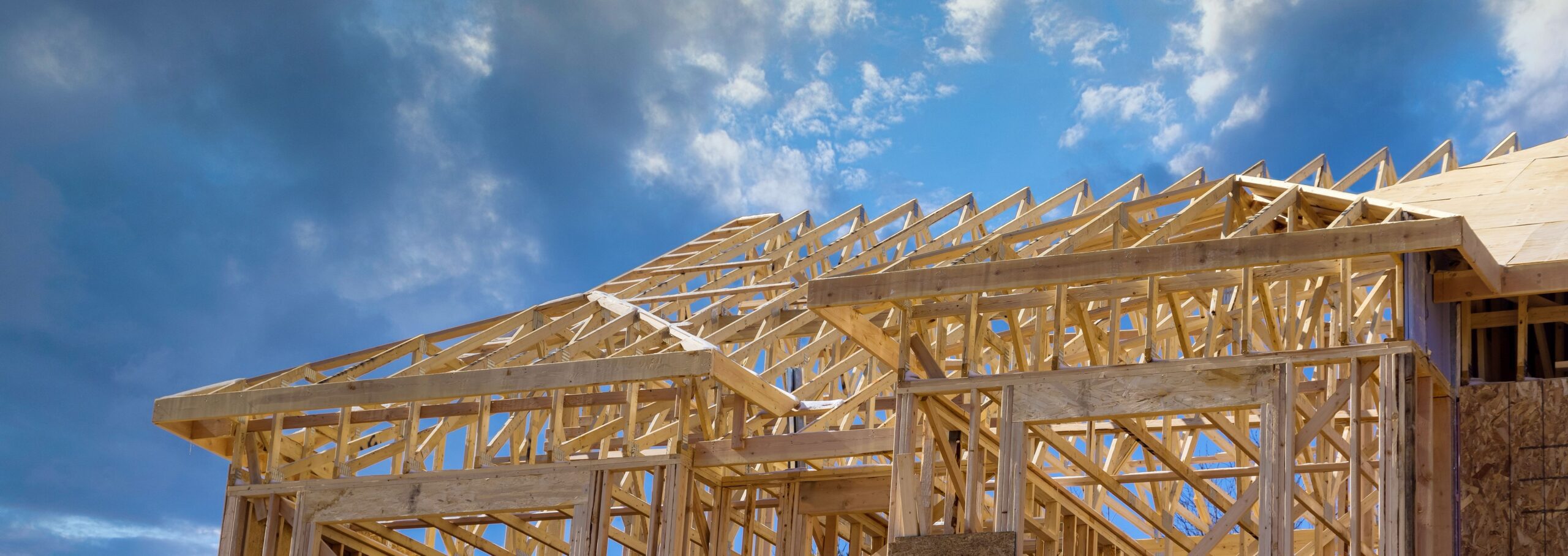
There is a wide variety of different methods of venting the roof cavity in Australian homes. All of the different methods have different advantages and disadvantages and suit different roof types ad come at different costs. Most builders are using a variety of methods – as different methods suit different construction styles and roof types.
Different methods include:
• Wind powered rotary vents for high level venting on metal or tiled roofs
• Plastic under eave vents (to facilitate air flow between the fascia board and roof membrane
• Continuous vents under the ridge cavity (to allow for high level venting on metal roofs)
• Vented roof battens (to allow air to flow upwards through the roof
• Lap vents – to allow ventilation through sarking at high level in tiled roofs
• Eaves baffles to allow for air flow through the eaves
• Use of a solar fan in conjunction with eave vents (as part of a performance solution)
Some products are made locally and some overseas. Some brands in Australia include, Corex, Vent Systems, Vent-a-roof and Proctor Vent.
The most common Alpine Ventilation solution uses low profile roof vents at the high level – and either aluminium eave or fascia vents to vent at the eave level. The benefits of this method are that it is simple, can be installed after the roof is fitted, is BAL-40 as standard, is low cost – and is relatively visually discrete. They can also be installed on both metal or tiled roofs.
Many systems require installation by the roofer before roof sheets or tiles are installed. The Alpine Ventilation system can be added afterwards. This is critical – as sometimes roof ventilation gets forgotten until noticed by a building surveyor. Eave vents are tucked under the eave and have very little chance of water ingress. The low profile roof vents and fascia vents are available in a wide variety of colours so blend in effectively into the roof.
In terms of cost, an average sized house may require 3-4 roof vents and 4 pairs of eave vents. Therefore the cost comes in at under $1000. This can be well under the cost of some other systems. And being constructed solely from aluminium and stainless steel (ensuring BAL-40 compliance), you know it is going to last
Alpine Ventilation has other solutions including mushroom vents (on flatter roofs) or using sub-floor type brick vents high on the wall for eave venting. However the low profile roof vents in conjunction with aluminium eave or fascia vents is more common.