
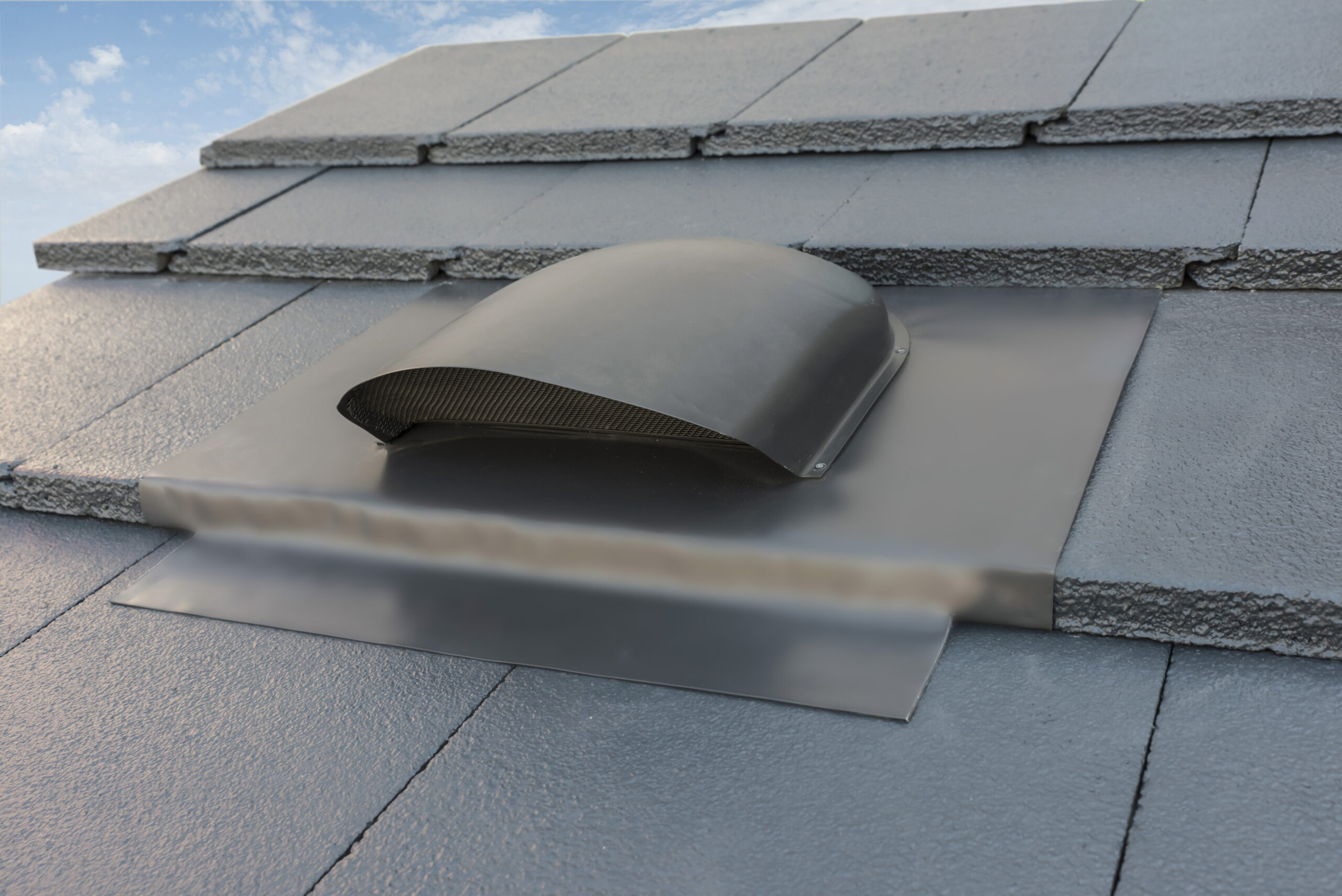
If you’re choosing the best roof vent for a brand new build, knockdown rebuild or a renovation, you might be choosing between two options; the Alpine low-profile roof vent and the rotary vent (the spinning ones most people call a “whirlybird”). There are some similarities and there are also some key differences that you need to consider before making your choice.
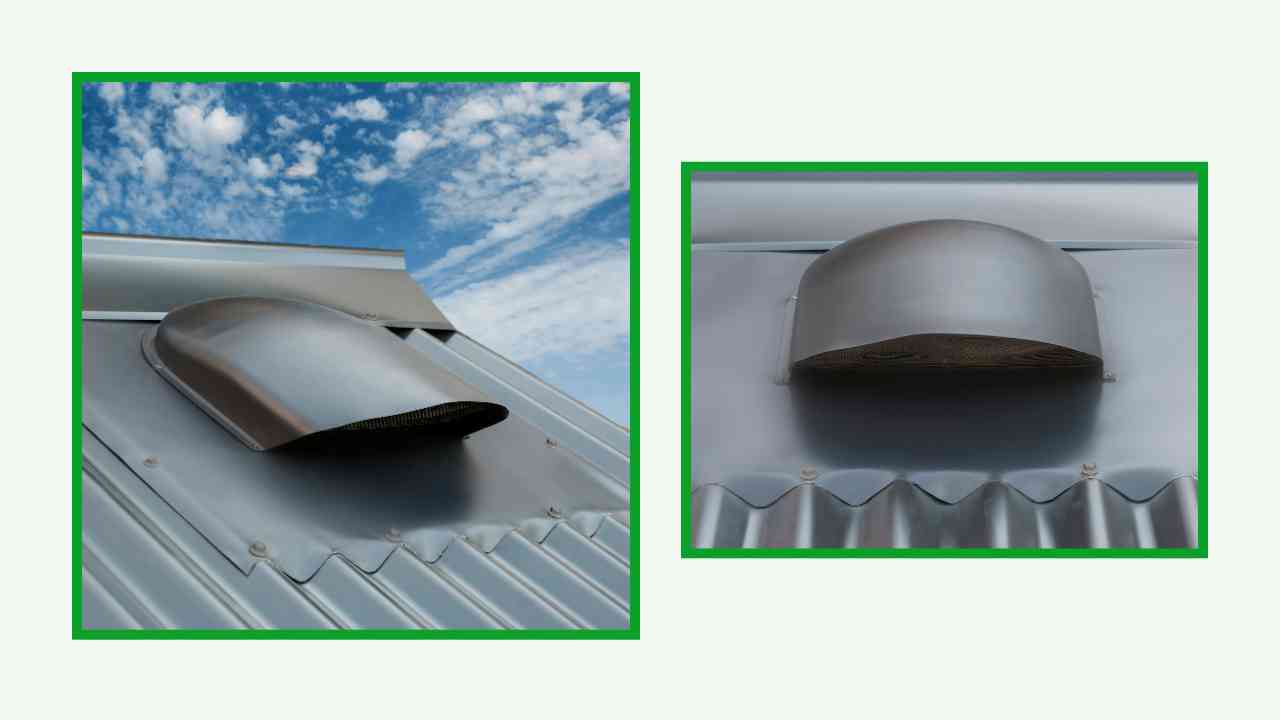
A low-profile vent can be used for both ducted and non-ducted applications, so it covers either use case under NCC regulations 10.8.2 or 10.8.3. A rotary vent, on the other hand, can only be used as a non-ducted vent – often used under NCC 10.8.3 (venting the roof space). If a job requires ducted ventilation under 10.8.2, such as for venting out a bathroom fan, or kitchen rangehood, a rotary vent simply isn’t an option.
For non-ducted venting, more builders are starting to low profile vents for their more aesthetic appeal, and there are a few other practical reasons they tend to come out on top.
Aesthetically, low profile roof vents sit much flatter on the roof, which matters more than people think now that solar panels are on most new roofs, a low profile vent can actually sit under a panel, where as a rotary vent can’t.
Also, there are no moving parts to bend or break on low profile roof vents, which means no spinning noise on a windy night and nothing to wear out over time.
If building in a bushfire zone, low profile vents can meet BAL-40 compliance without needing the extra ember mesh that rotary vents often require. That mesh generally isn’t cheap, so it adds up if you’re trying to keep costs down.
Weather is another factor people don’t think about until it’s a problem. Rotary vents rely on wind to spin and keep water out, so on a wet, still day there’s more chance of rain getting in. Low profile vents don’t have that issue, and they generally come with a bigger flashing area too, which means less chance of leaks down the track.
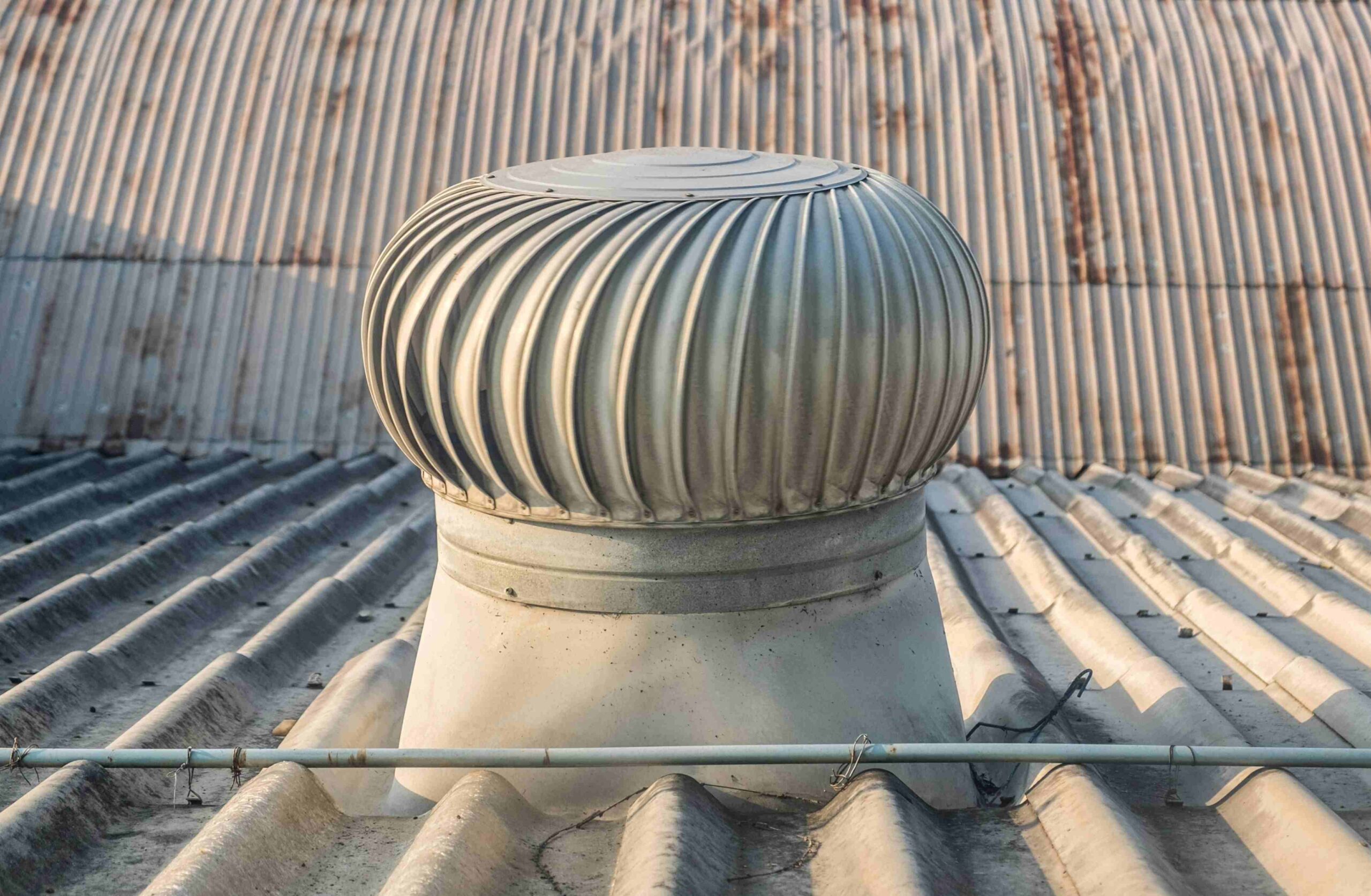
Rotary vents do have their advantages. If you need a larger open vent area to meet the airflow numbers under NCC regulation 10.8.3, a rotary vent has a larger open area in mm2 and fewer vents will likely be required. And if colour matching is important, you’ll usually find more Colorbond color options with a rotary vent.
So the choice comes down to several factors including application and location. But for many builds, especially anything with solar or in a bushfire zone, the Alpine low profile roof vent tends to have more advantages overall.