
If you are looking to replace your existing floor vents, this article will be helpful in determining which floor vents are best for your situation.
Vent Size
Firstly you want to make sure that you have selected the correct size. The most common mistake people make is measuring the top face of their old vent instead of the neck opening size (or the hole in the floor. The 2 most common sizes are 100x300mm (which will have a face size of approximately 140x340mm) and 150x350mm (face size approx. 190×390). The face plate needs to be larger than the opening to allow the vent to sit on the floor. Suppliers generally quote the neck size of the vent.
Choose the Right Material
Your vent’s material determines its durability and where it should be placed in your home:
- Steel and Aluminium: Highly durable and perfect for high-traffic hallways and living spaces. Aluminium is naturally rust-resistant, making it a great choice for wet zones like bathrooms or laundries. However aluminium is generally more expensive. Steel vents are generally available in a wider variety of designs than aluminium.
- Wood: Blends seamlessly with hardwood floors for a beautiful, premium look. Some are already stained and others can be stained to seal the wood and match the floor colour. Wood floor vents we sell have a higher lip on them to accommodate various components of the louvered mechanism. They aren’t recommended for high traffic areas as the louvres can break if stood on heavily.
- Plastic: plastic is generally considered the least durable material. We don’t manufacture plastic floor vents for this reason – however some people prefer them. They do have the benefit of not rusting and therefore can be best used in bathrooms.
Performance
Most floor vents have a damper than can be opened or closed to regulate air flow. The damper box also helps in holding the vent in position in the floor. There isn’t significant performance differences between styles. The main factors impacting performance are the size of the vent and the diameter and length of the ducting. Smaller 100x300mm vents are generally vented to 150mm diameter ducting and are for heating only. Larger 150x350mm floor vents are generally ducted to 200 or 250mm diameter ducting and can be used for heating and cooling.
Colour
When selecting the colour of the floor vent, the main thing to keep in mind is if you want it to blend in with your floor or alternately to stand out as part of the room’s aesthetic. By matching the vent colour to the floor creates a cleaner seamless look, while a contrasting finish can add a visual contrast and work well in modern design interiors. If contrasting, we recommend not adding a new colour – and instead matching with other colours in the room such as door handles and window fittings.
Metal vents may be painted (powder coated) or electroplated. Painted vents are lower cost. Sometimes using an electroplated vent can be advantageous as it isn’t as critical to match to the exact tone. Some customers choose to powder coat floor vents themselves to match an exact colour.
Style
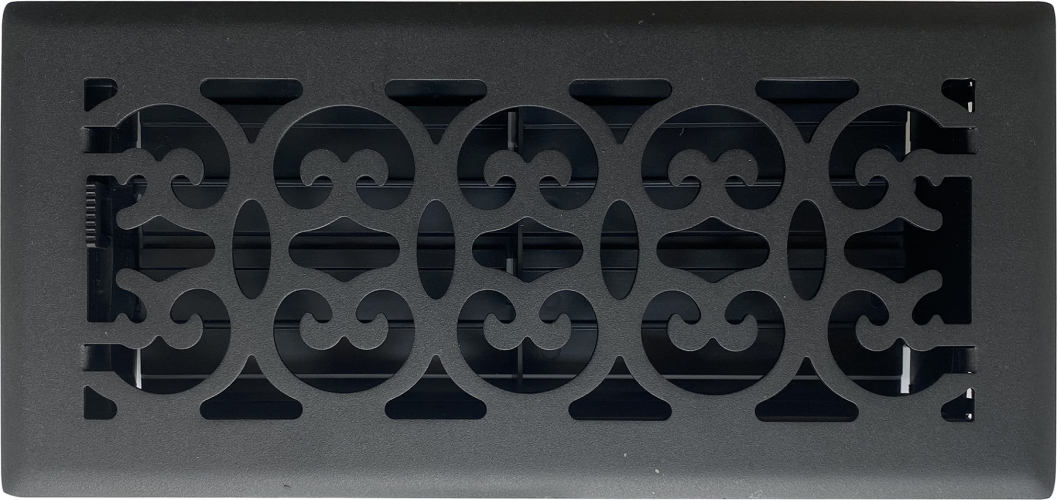
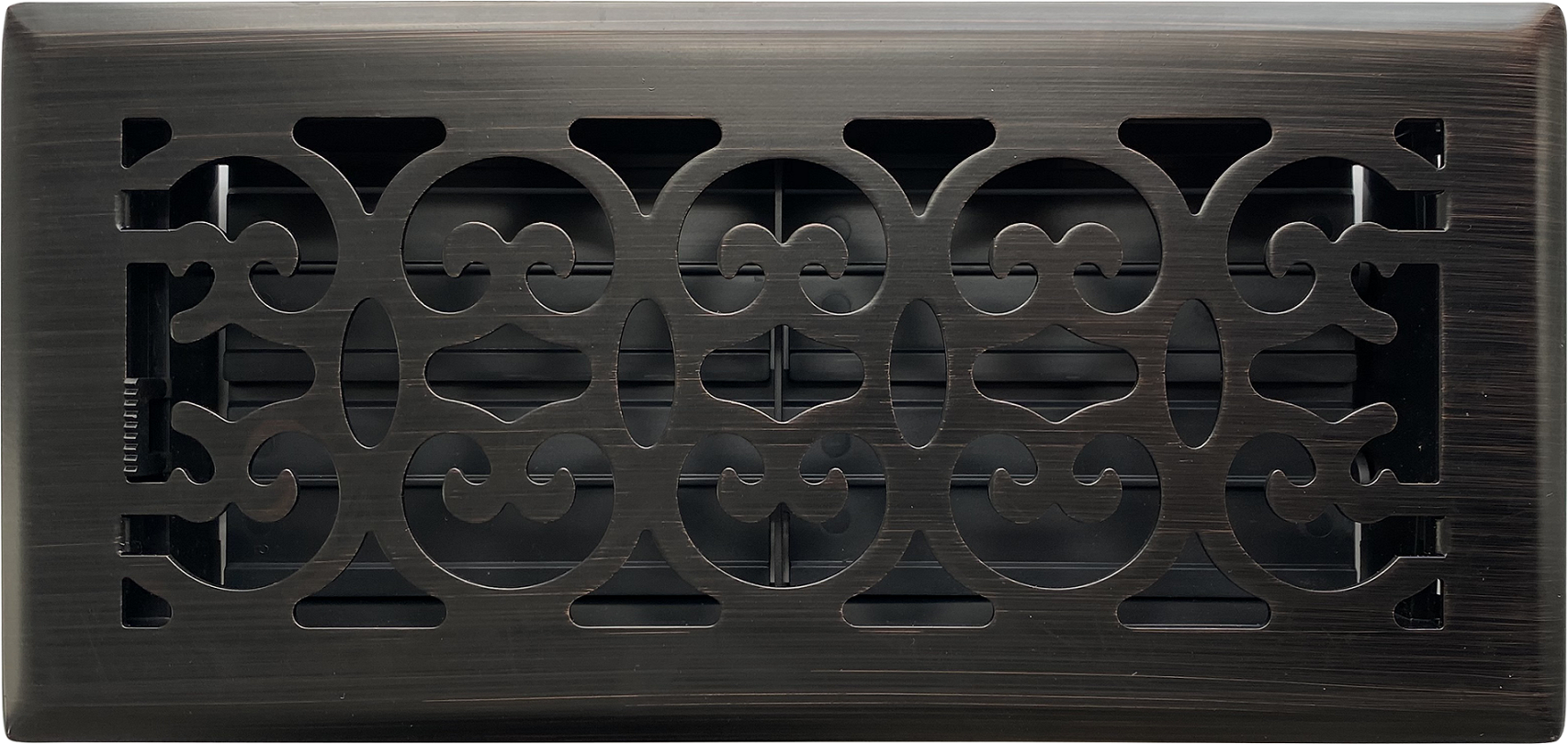
Plastic and wooden floor vents are generally only available in traditional louvered designs. Steel vents are available in both modern and period designs and can deliver a more stylish result. It is important that you both like the design and it also fits the design of your home. For example the Victorian style generally does not suit the aesthetic of a modern home.
Cost
Costs vary depending on size and material. Painted louvered steel and plastic vents are the cheapest. However we recommend that you first choose the right vent for your home and don’t focus just on price – as floor vents are seen every day and can last for years.
To Summarise
Choosing the correct floor vent is about more than function, its also an opportunity to create a clean, cohesive finish in your home. By considering the cut-out size, material, colour and style you can find a vent that supports your homes ducted system while blending seamlessly with your interior. The right vent not only helps your home’s heating/cooling system perform its best but also adds subtle finishing touches that complement your indoor spaces for years to come.