
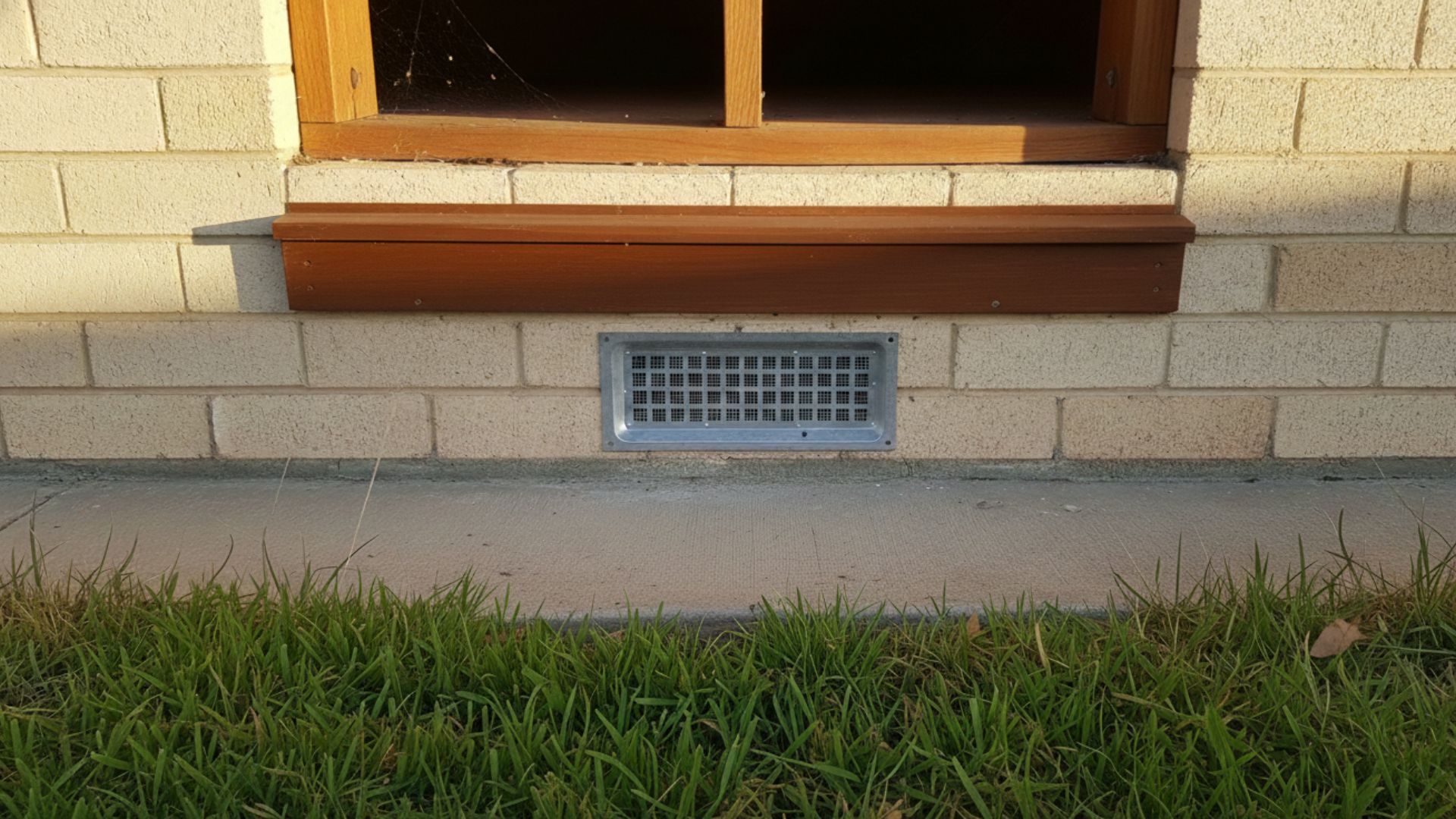
What’s happening underneath the floorboards is a part of the house most people ignore until there’s a problem, but in Australia, getting your subfloor ventilation right is basically the difference between a healthy home and a rotting one. Here is the rundown on how it works, why the rules are so strict, and why you really need to care about it.
What actually is it?
If you have a home built on stumps, piers, or dwarf walls, there is a gap between the dirt and your timber floor structure. The goal of ventilation is cross-flow. You want fresh air to enter from one side of the house, sweep through that dark cavity, and exit the other side, taking ground moisture with it.
If that air has nowhere to go and stops moving, the space turns into a humid, stagnant box. That’s when your troubles start.
Where is it used?
You’ll see this primarily in suspended floor systems.
• Classic Aussie Homes: Victorian terraces, or any weatherboard/brick veneer home sitting on stumps.
• Sloping Blocks: If your house is cut into a hill, the subfloor is often damp because of subterranean water runoff. These areas need aggressive ventilation.
• Renovations: This is a big one. We often see people build a new deck or extension that accidentally blocks the old air vents, suffocating the original house.
Why should you care? (Benefits vs. Risks)
It usually comes down to two things: Termites and Mould.
The Risks of ignoring it:
• Termites love damp environments: Subterranean termites (white ants) are always looking for moisture. A damp, unventilated subfloor is essentially an invitation for them to come eat your bearers and joists.
• Cupping floorboards: If the bottom of your timber floorboards is wet (from the subfloor) and the top is dry (from your air conditioning), the wood warps. This is called “cupping,” and will ruin your expensive flooring.
• The smell: If your house smells musty, it’s almost always coming from below. That air doesn’t stay under the floor; it rises through the cracks and into your living room, bringing mould spores with it.
The Benefits of doing it right:
• Structural Health: Dry timber is strong timber. Keeping the moisture content low prevents fungal decay (wood rot).
• Better Health: You aren’t breathing in mould spores generated by damp soil.
• Pass your inspections: If you try to sell your house, a building inspector will check this. Poor ventilation is a red flag that scares off buyers because they know it leads to termites.
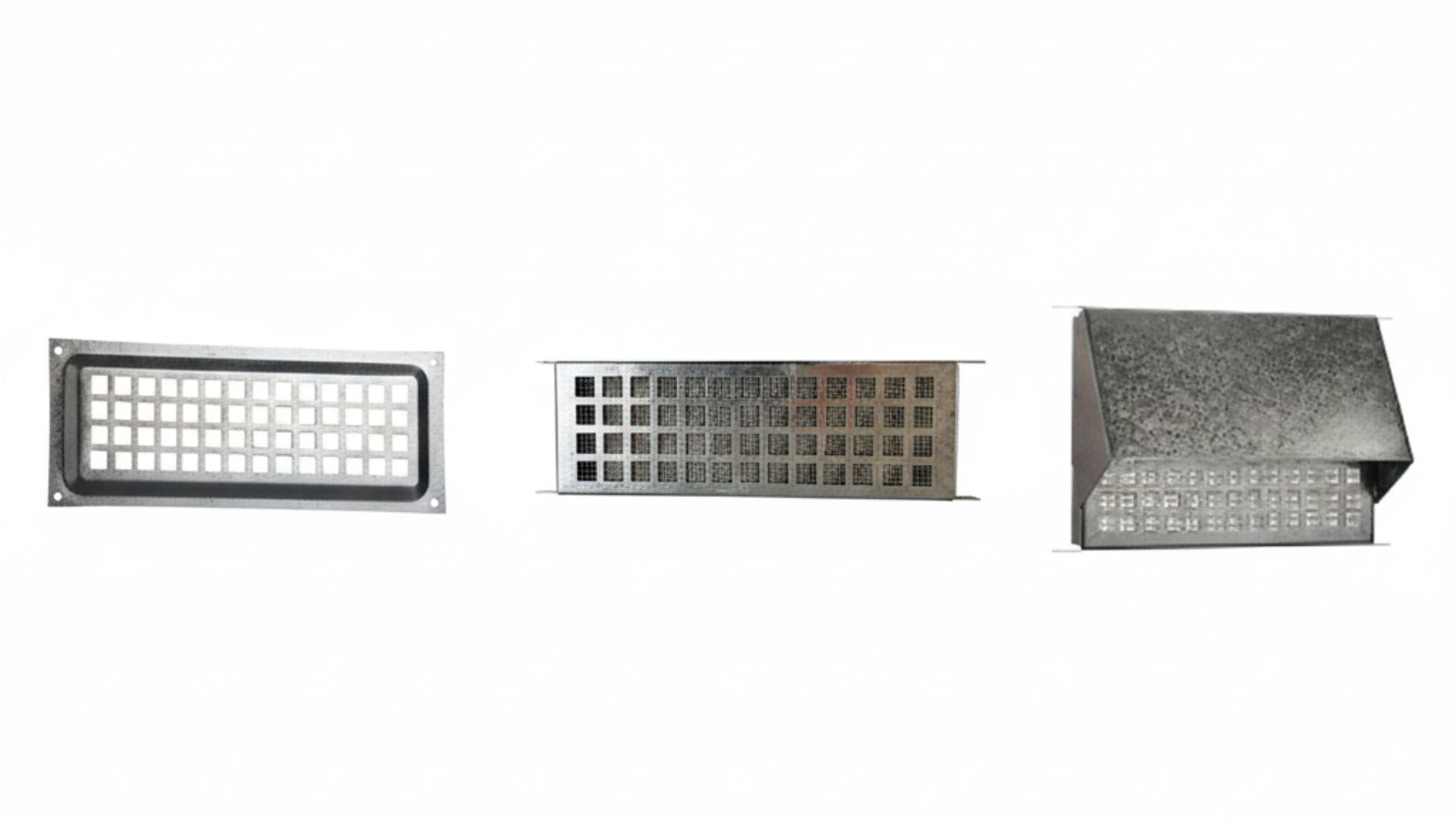
The process of ventilating the subfloor isn’t an exact science. Working with rough estimates should provide adequate ventilation to prevent the risks highlighted above, affording the homeowners peace of mind that no mold or damp environment would cause issues with the underside of their home floors. Alpine Ventilation provides a range of sub-floor vents for all climate zones across Australia.
In Australia subfloor ventilation remains a critical yet overlooked necessity for homes built on an elevated structure that created a space between the underside of the floor and the ground beneath. Effective airflow in the home subfloor ensures homeowners can effectively vent out moisture from the ground that could create a stagnant, humid environment conducive to subterranean termite infestations, timber rot, and warping of floor boards. Ensuring your homes subfloor has the required airflow is especially important on sloped land blocks, especially if home renovations have been done that have covered up existing vents leading to mold growth among all the risks identified above. Ensuring effective subfloor ventilation can ultimately lead to a healthier home and no surprises during building inspections at the time of resale.